Concept Development: Turning a Product Brief Into a Viable Direction

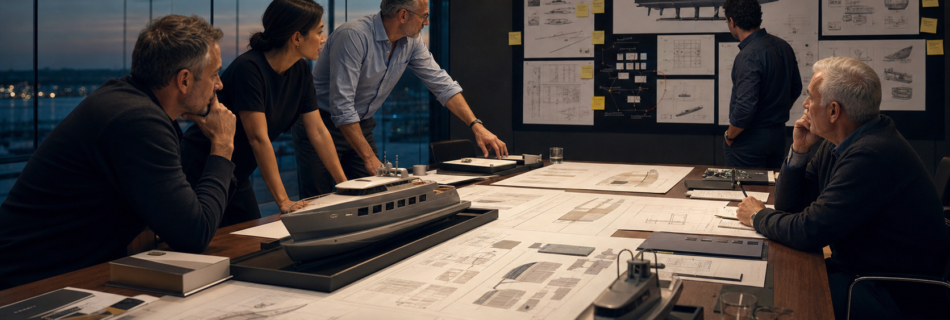
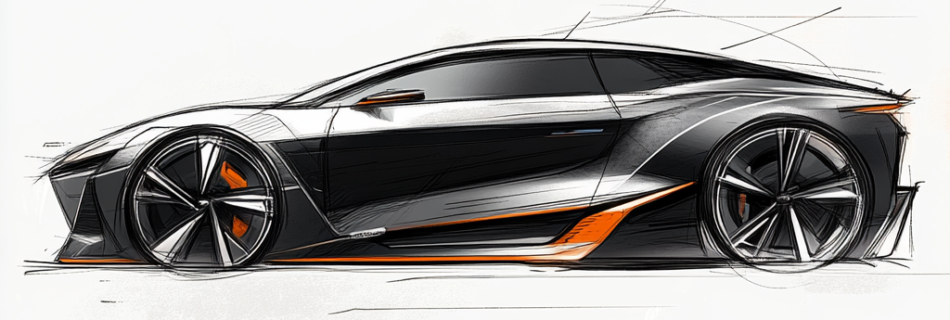
Concept Development: Turning a Product Brief Into a Viable Direction Once a product opportunity has been defined, the next challenge is turning that brief into something tangible enough to evaluate. This is where concept development begins. Concept development takes the commercial and technical requirements established during product definition and explores how those requirements can be …

Product Definition: Building the Right Product Before Development Begins

Physical product development often becomes expensive long before manufacturing starts. The problem is not always poor engineering or poor execution. In many cases, the programme begins without a sufficiently clear definition of what is actually being developed, who it is for, what it needs to achieve and what commercial constraints it must satisfy. Product definition …

How Photorealistic Renders Help Products Sell Before Launch

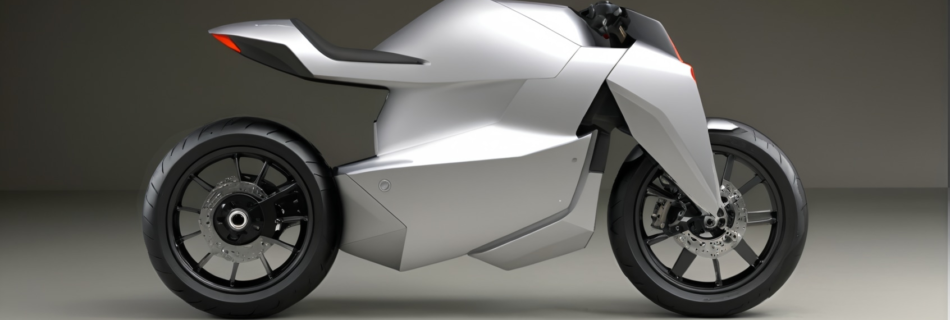
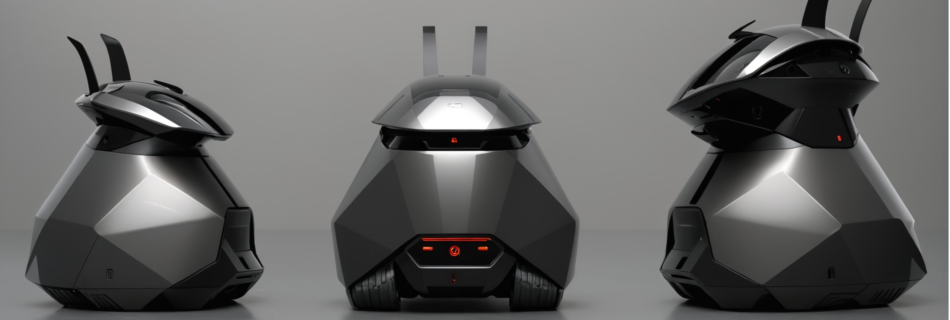
A new product often needs to be explained to customers, distributors, investors or internal stakeholders before a physical production version exists. Photorealistic product renders can support those early conversations by showing the intended form, materials, features and overall product direction. For a development team, the challenge is not simply creating attractive imagery. The visual material needs to …

Production & Launch: Turning a Developed Product Into a Repeatable Commercial Offering

Reaching the end of design and engineering does not mean a product is ready for market. The transition from development into production is a separate stage that requires planning, coordination and control. A technically resolved product still needs to be translated into a repeatable manufacturing process, supported by suppliers, documentation, quality controls and a clear …

Manufacturing & Suppliers: Building the Product Around Real Production Capability

A product is not truly ready for market until the manufacturing system around it is capable of building it consistently. Manufacturing and supplier decisions influence almost every part of a physical product. Materials, processes, tolerances, tooling, assembly sequence, component availability and production volume all affect the final design. Treating those decisions as something to solve …

Design & Engineering: Turning Product Concepts Into Manufacturable Solutions

Once a product concept has been defined and validated, the next challenge is turning that idea into something that can be engineered, manufactured and delivered consistently. This is where design and engineering need to work together. A strong concept may establish the intent of the product, but detailed development is what determines whether that concept …

Product Market Validation: Reducing Risk Before You Invest in Development

A strong product idea is not the same as a validated market opportunity. Before committing significant time and capital to design, engineering, tooling and production, a business needs evidence that the proposed product solves a real problem for a defined customer and has a credible place in the market. Product market validation is the process …

From Concept to Production: A Structured Product Development Process

Bringing a physical product to market requires more than a strong idea and a finished design. Successful product development is a structured process that moves an opportunity through definition, concept development, detailed engineering, manufacturing preparation and production. Each stage reduces uncertainty, improves technical definition and creates the information required to make the next investment decision. …

Why High-End Product Renders Matter Before Manufacturing

Visualisation can help a team see what it is developing before the first physical product is available. Its value is greatest when the images support a specific decision: a design direction, material choice, customer presentation or launch requirement. Start with the decision, not the image Before commissioning renders, agree who will use them and what …

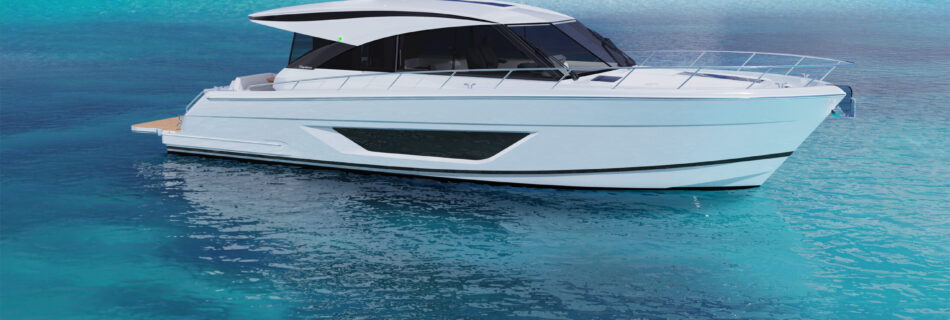
Marine design visualisation for CAD-based vessel design approval

Using CAD-Accurate Visualisation for Marine Design Approval

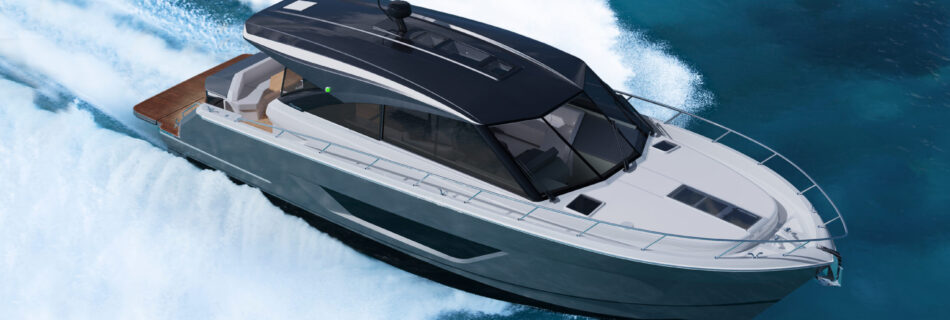
Marine design visualisation gives designers, engineers, production teams, sales teams and clients a common view of a vessel before key decisions are approved. When the imagery is based on current CAD, it can make reviews clearer while maintaining a traceable connection to the product being developed. Define what is being approved A review of exterior styling …