
A new product often needs to be explained to customers, distributors, investors or internal stakeholders before a physical production version exists. Photorealistic product renders can support those early conversations by showing the intended form, materials, features and overall product direction.
For a development team, the challenge is not simply creating attractive imagery. The visual material needs to support commercialisation while remaining aligned with the product that is actually being developed.
Connect the launch brief to the development programme
Start by defining the audience, intended channels and the key product features that need to be communicated.
Then establish which elements of the design are sufficiently resolved to present publicly and which may still change. This creates a shared reference point between product development, marketing and sales.
Plan a coordinated set of views around how the product will actually be communicated. A hero image can establish the overall design, while additional views can explain important features, materials, interfaces, proportions or use cases.
For more complex products, renders can also show configurations, environments or details that may be difficult to communicate through CAD screenshots or early prototypes alone.
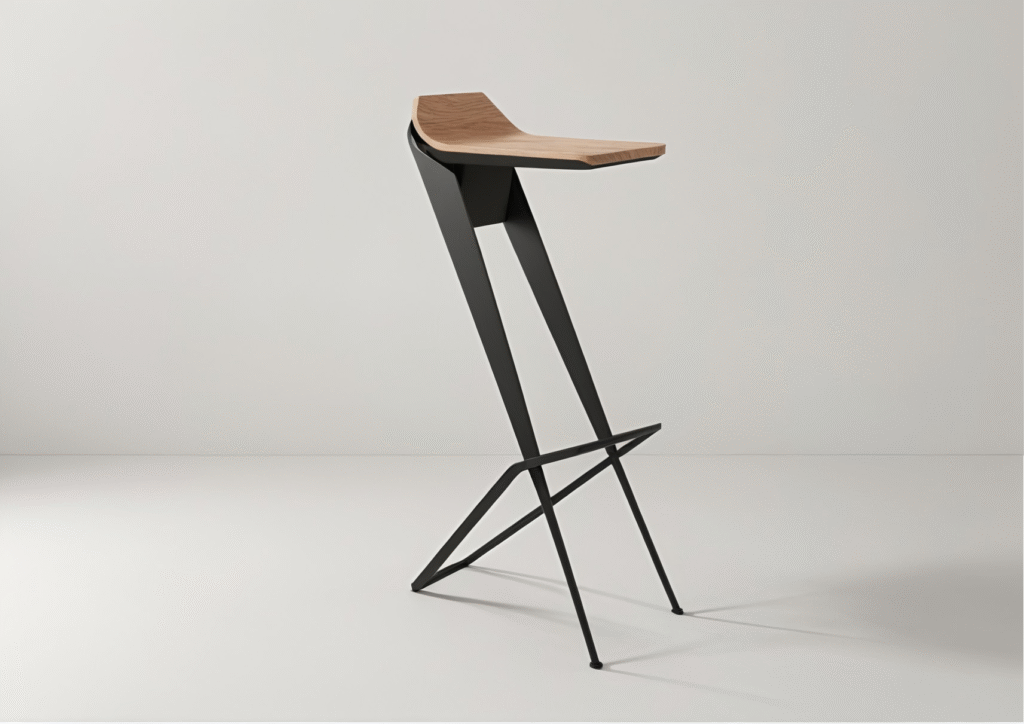
Keep product information consistent
Visualisation should be based on the current agreed CAD, specification and material references wherever possible.
Track the model revision being used and establish how design changes will be handled during the rendering process. If an image shows an optional feature, proposed finish or element that is still under development, that distinction should remain clear in the supporting material.
The objective is to help people understand the intended product without creating expectations around features that have not yet been confirmed for production.
This becomes increasingly important when visual assets are being used for sales presentations, distributor discussions, investor material or pre-launch marketing.
Use visualisation to support validation
Photorealistic renders can do more than support marketing. They can also provide another opportunity to review the product before committing further time and capital.
Presenting a product in a realistic context can expose questions around proportions, usability, finishes, interfaces and product positioning that may be less obvious in a CAD environment.
Feedback from customers, stakeholders or commercial teams can then be captured and directed back into the development programme.
The important distinction is that imagery is a tool for communication and validation. It can help start a commercial conversation, but it does not replace proper market validation, engineering, testing or production development.
Support sales before the physical product exists
For many physical products, there is a significant period between approving a design and having a production-ready item available for professional photography.
Photorealistic renders can help bridge that gap.
They can be used to support:
- websites and launch campaigns
- distributor and dealer presentations
- investor or stakeholder discussions
- pre-orders and expressions of interest
- product catalogues and specification material
- trade shows and presentations
- internal design and approval reviews
Used properly, visualisation allows commercial activity to begin earlier without waiting for tooling, prototypes or first production units to be completed.
Prepare assets for their actual use
The required output should be defined before the rendering work begins.
Agree image dimensions, crops, orientations and formats for websites, presentations, social media, print material and other launch channels.
A coordinated asset set is generally more useful than producing individual images in isolation. The product should appear consistently across every view, with the same materials, specification and visual language.
A final review point between product development and marketing also helps ensure that the imagery still represents the current design before it is released publicly.
Visualisation should support the wider product strategy
The strongest visualisation work is grounded in an understanding of the product itself.
Materials, manufacturing methods, proportions, interfaces and product features all influence whether an image communicates something credible or simply looks impressive.
At Frankie Sterling Studio, visualisation can form part of a wider product development and commercialisation programme or be delivered as a defined standalone engagement.
The objective is the same: create clear, commercially useful visual material that accurately communicates the product being developed.
View selected visual work or discuss your product development and launch requirements.