Product Validation
Product Validation
Test the assumptions before scaling the investment.
Use structured review, prototypes, stakeholder feedback and market information to identify problems while there is still time to change the product.
Learn before committing to production
Product development always involves assumptions. Validation is about identifying the important ones and testing them before they become expensive production decisions. Depending on the product, this may involve customer feedback, prototypes, technical reviews, supplier input, cost analysis or assessment against the original product requirements.
When you need Product Validation
Validation can be valuable when:
- A concept needs customer or stakeholder feedback.
- Management needs greater confidence before approving the next development gate.
- Important ergonomic, functional or technical assumptions remain unresolved.
- Manufacturing cost needs to be tested against the commercial case.
- Prototype or supplier feedback needs to be incorporated.
- The programme is approaching tooling, procurement or production commitment.
What we do
Validation activities may include:
- Product requirement review.
- Concept evaluation.
- Stakeholder feedback.
- Prototype planning.
- Prototype review.
- Usability and ergonomic assessment.
- Supplier feasibility discussions.Preliminary costing review.
- Manufacturing feasibility review.
- Risk identification.
- Design refinement.
- Gate review recommendations.
What you receive
Outputs may include:
- Validation plan.
- Review criteria.
- Prototype requirements.
- Findings and observations.
- Updated risk register.
- Recommended design changes.
- Updated product specification.
- Gate review report.
- Recommendation for the next development stage.

How it works
The outcome
01.
The outcome
Better information before larger financial commitments are made.
Validation does not eliminate development risk. It helps expose the important risks early enough to act on them.
02.
Related Insight
Product market validation: reducing risk before you invest in development
How early validation can improve the quality of product and investment decisions.
03.
Need greater confidence before the next development stage?
We can help identify what should be tested before additional capital is committed.

why Frankie sterling studio
We stay involved until it can be built
We don’t stop at concepts or recommendations. We stay close to the work, connecting commercial decisions, design, engineering and manufacturing so the product keeps moving toward a real outcome.
✦
Commercial and technical thinking from the start
✦
Senior-led, hands-on involvement throughout
✦
Clear scope, development gates and deliverables
✦
Design, engineering and manufacturing coordinated together
✦
Key decisions made before major money is committed
News & insights
Ideas from the work
Practical thinking on product development, commercialisation, manufacturing and bringing complex products to market.
-
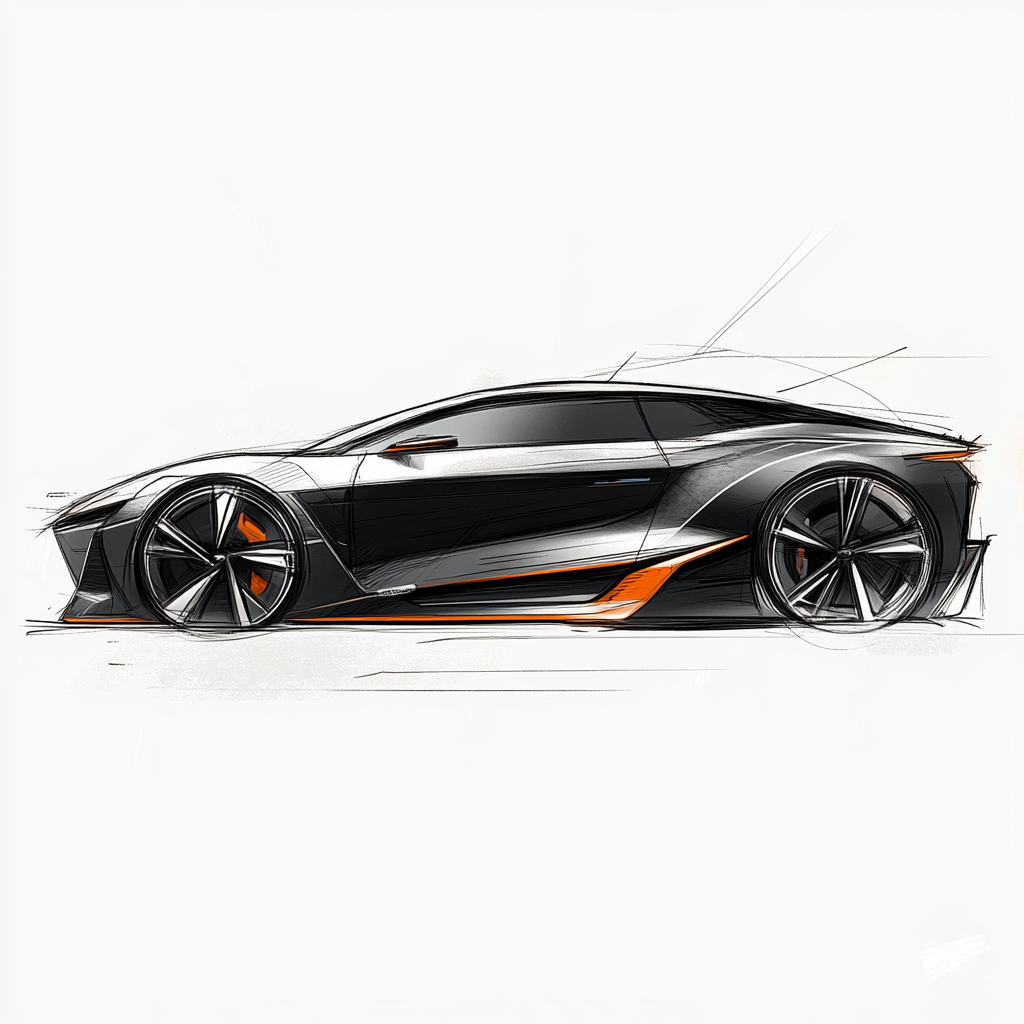
Concept Development: Turning a Product Brief Into a Viable Direction
Concept Development: Turning a Product Brief Into a Viable Direction Once a product opportunity has been defined, the next challenge is turning that brief into something tangible enough to evaluate. This is where concept development begins. Concept development takes the commercial and technical requirements established during product…

FAQ
Questions we’re often asked
Not sure where your project fits? Start with a conversation and we’ll help you work out the right next step.
As early as the initial idea. We can help define the opportunity, requirements and commercial direction before significant money is committed, or join an existing project that needs help moving forward.
No. Our experience is strongest in complex physical products, particularly marine, manufacturing and technical products, but the same development process applies across many industries.
Yes. We can support the process from early concept and specification through detailed development, engineering coordination, suppliers, tooling, prototyping and production readiness.
No. Some clients come to us with little more than an opportunity or problem they want to solve. Others already have CAD, prototypes or an existing product that needs further development.
Each engagement is scoped around the work and outcome required. We generally work in defined stages with clear deliverables, so you know what is being completed before committing to the next phase.
READY TO MOVE FORWARD?
Let’s turn the idea
into something real
Most projects start with a 30-minute discovery call. We’ll talk through what you’re trying to achieve, where the project currently stands, and what the most useful next step looks like.
info@frankiesterling.com
Phone
+61 405 231 936
Socials