Bringing a physical product to market requires more than a strong idea and a finished design. Successful product development is a structured process that moves an opportunity through definition, concept development, detailed engineering, manufacturing preparation and production. Each stage reduces uncertainty, improves technical definition and creates the information required to make the next investment decision.
At Frankie Sterling Studio, we approach product development as a controlled commercialisation process rather than a standalone design exercise. The objective is to develop products that are technically sound, commercially relevant and ready to manufacture.
Defining the Opportunity
The first stage is establishing what the product needs to achieve. This creates the foundation for every technical and commercial decision that follows. The project is defined around the intended customer, use case, market position, performance targets, manufacturing approach and commercial objectives.
For a marine product, this may include vessel size, operating profile, propulsion, construction method, passenger capacity, speed, range, regulatory requirements and target price. For an industrial or consumer product, the parameters will differ, but the principle remains the same. The output of this stage is a clear development brief and product specification that becomes the reference point for the project.
Establishing the Product Architecture
Once the opportunity is defined, the overall product architecture can be developed. This stage focuses on how the product will work as a complete system and how the major components, systems, interfaces and manufacturing constraints interact with one another.
Performance, weight, cost, materials, component availability, serviceability, compliance and customer experience all need to be considered together. The purpose is to resolve the fundamental structure of the product before detailed development begins. A strong product architecture gives the project a clear technical direction and reduces the likelihood of major changes later.
Concept Development
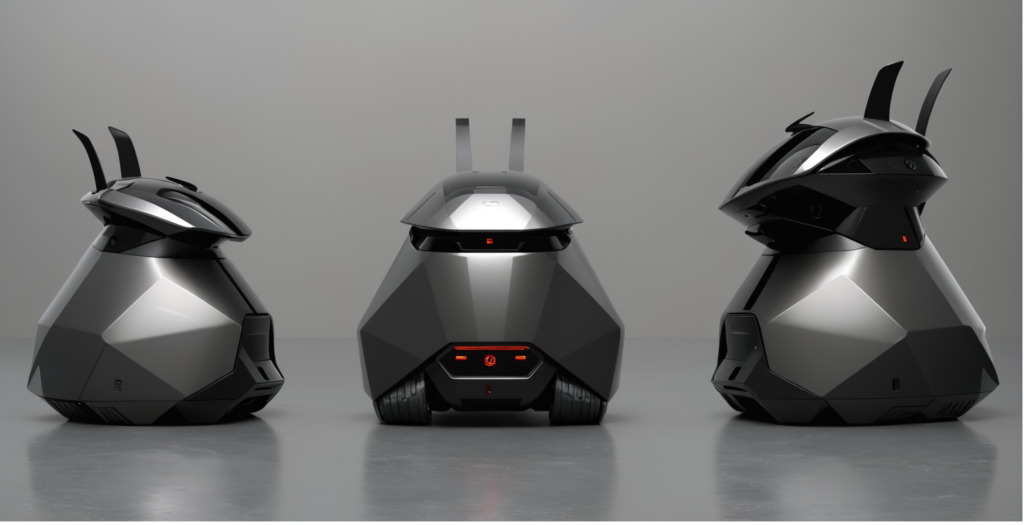
Concept development explores different ways of satisfying the product brief. The focus is not simply on appearance. Concepts need to be assessed against technical, commercial and manufacturing requirements.
This stage may involve initial CAD development, packaging studies, layout development, preliminary engineering, material selection, manufacturing methods, component selection, costing and visualisation. Several directions may be explored before one is selected for further development.
The key advantage of this stage is that major decisions can still be made while changes are relatively inexpensive. It is far easier to change a concept than to change tooling, production drawings or supplier commitments later in the programme.
Locking the Product Specification
As the concept becomes more defined, the product specification is refined and progressively locked. This establishes a controlled technical baseline for detailed development.
The specification may define dimensions, performance targets, materials, systems, components, manufacturing processes, compliance requirements, quality expectations and target production cost. Once this baseline is established, changes can still be made, but they should be controlled because of the effect they may have on other areas of the product.
A stable specification prevents the project from continually changing direction and gives the design, engineering and manufacturing teams a common reference point.
Detailed Design and Engineering
Detailed development converts the selected concept into a product that can actually be manufactured. Every major component, interface and system is progressively defined.
Depending on the project, this may include detailed CAD, engineering analysis, structural development, systems integration, component selection, supplier information, material specifications, tolerances, manufacturing drawings, assembly details and compliance documentation.
At this point, the emphasis shifts from defining what the product should be to determining exactly how it will be built. Coordination becomes increasingly important because a change to one component may affect packaging, weight, tooling, electrical systems, manufacturing sequence or cost.
Designing for Manufacture
Manufacturing should influence the product throughout development, but it becomes increasingly important as the design matures. The product needs to be reviewed against the realities of production, including tooling, materials, assembly sequence, tolerances, supplier capability, labour requirements and expected production volume.
Design for manufacture is about reducing unnecessary complexity before it reaches the factory floor. A product can perform well and still become commercially difficult if it is slow to assemble, expensive to tool or difficult to produce consistently.
Bringing manufacturing considerations into the development process early helps avoid costly redesign and improves the transition from engineering into production.
Supplier and Procurement Integration
Suppliers play an important role in the development process. Major components and manufacturing processes should be aligned with suppliers before the design is fully released.
Lead times, availability, manufacturing capability, minimum order quantities, tooling requirements, pricing and technical constraints all influence the final product. Early supplier involvement allows the project team to work from real manufacturing information rather than assumptions.
This is especially important for complex physical products where one unavailable or unsuitable component can force significant redesign.
Design Reviews and Development Gates
Structured design reviews are used throughout development to confirm that the product is ready to progress. Each gate creates a deliberate decision point before further capital and resources are committed.
A typical development pathway may move from opportunity approval to concept approval, specification lock, detailed design approval and finally production release. At each stage, the project is reviewed against its technical, commercial and manufacturing objectives.
This gate-based approach keeps the project controlled and prevents it from advancing before critical work has been completed.
Prototype and Validation
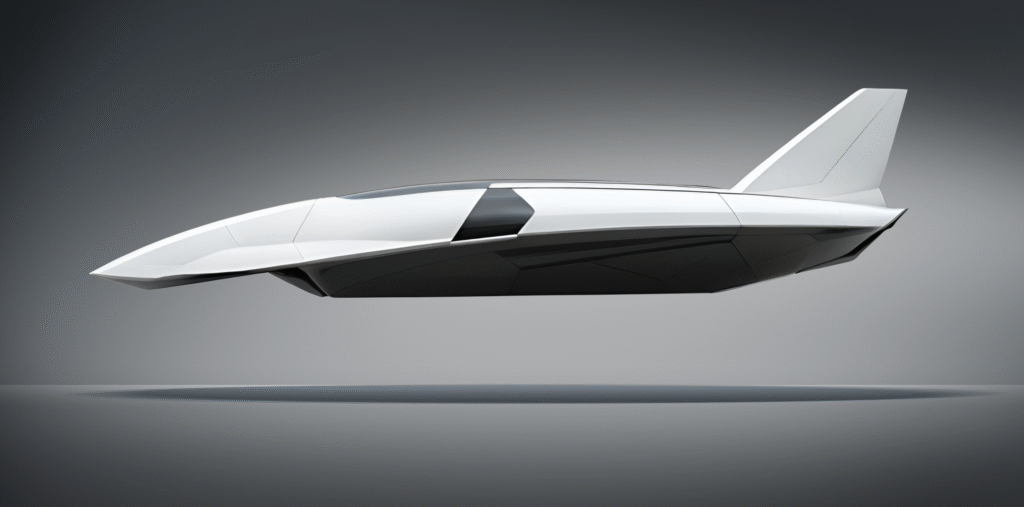
Where appropriate, prototypes, test components or first production units are used to validate the product before full production begins.
Validation may include structural performance, fit and assembly, ergonomics, systems operation, durability, manufacturing processes, serviceability and compliance. Issues identified during testing are documented and fed back into the design.
The purpose of validation is not simply to prove that the product works. It is to identify weaknesses while they can still be corrected before they become recurring production problems.
New Product Introduction
New Product Introduction, or NPI, manages the transition from development into manufacturing. This is where the focus shifts from developing the product itself to developing the system that will produce it.
Tooling, jigs, fixtures, production drawings, assembly sequences, work instructions, quality requirements, inspection procedures, supplier coordination and production planning all become part of the process.
A successful prototype demonstrates that a product can be built. Successful NPI demonstrates that it can be built repeatedly, efficiently and to the required standard.
Production Feedback and Continuous Improvement
Product development does not end with the first production unit. Early manufacturing provides valuable information about assembly time, quality issues, component access, supplier performance and opportunities to simplify the product.
This feedback should be captured and fed back into both the product and the manufacturing process. Improvements may involve reducing assembly time, eliminating rework, simplifying parts, changing tolerances, improving access or reducing production cost.
The goal is to progressively improve both the product and the system used to manufacture it.
Managing the Entire Development Path
The strength of a product development process comes from maintaining continuity between every stage. Commercial objectives influence the specification. The specification influences the concept. The concept influences engineering. Engineering influences manufacturing. Manufacturing influences cost, quality and delivery.
These activities cannot be managed effectively in isolation. A well-structured development process connects them from the beginning and keeps the project aligned as it moves toward production.
At Frankie Sterling Studio, our role is to help businesses manage that complete pathway. We work across concept development, product definition, technical development, manufacturing preparation and new product introduction to create a clear route from idea to production.
The objective is not simply to complete a design. It is to develop a product that can be successfully manufactured, delivered and commercialised.
Define the product. Develop it deliberately. Prepare it for production.