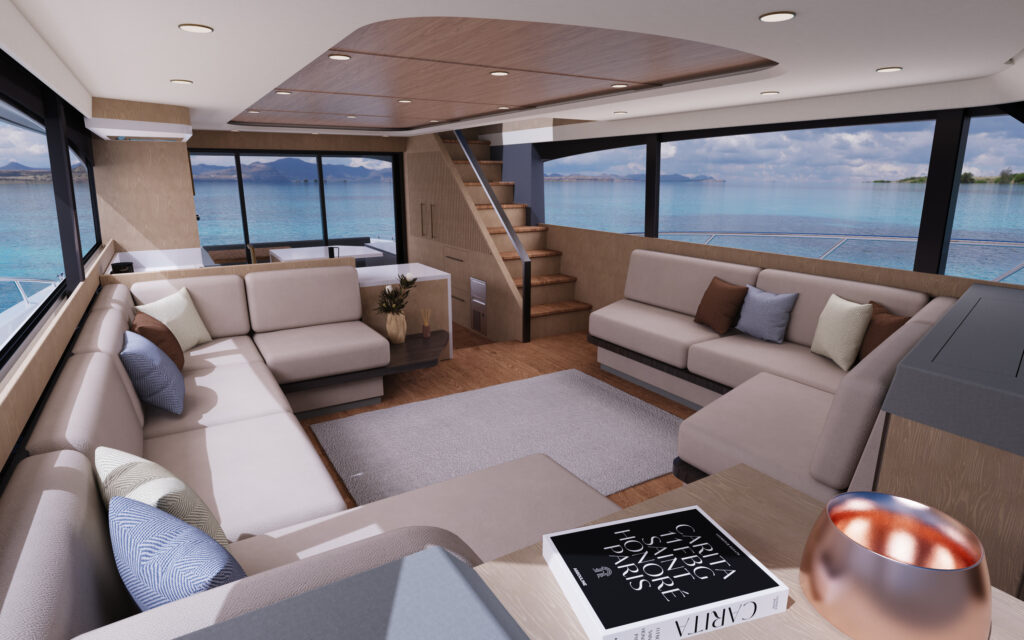
Using CAD-Accurate Visualisation for Marine Design Approval

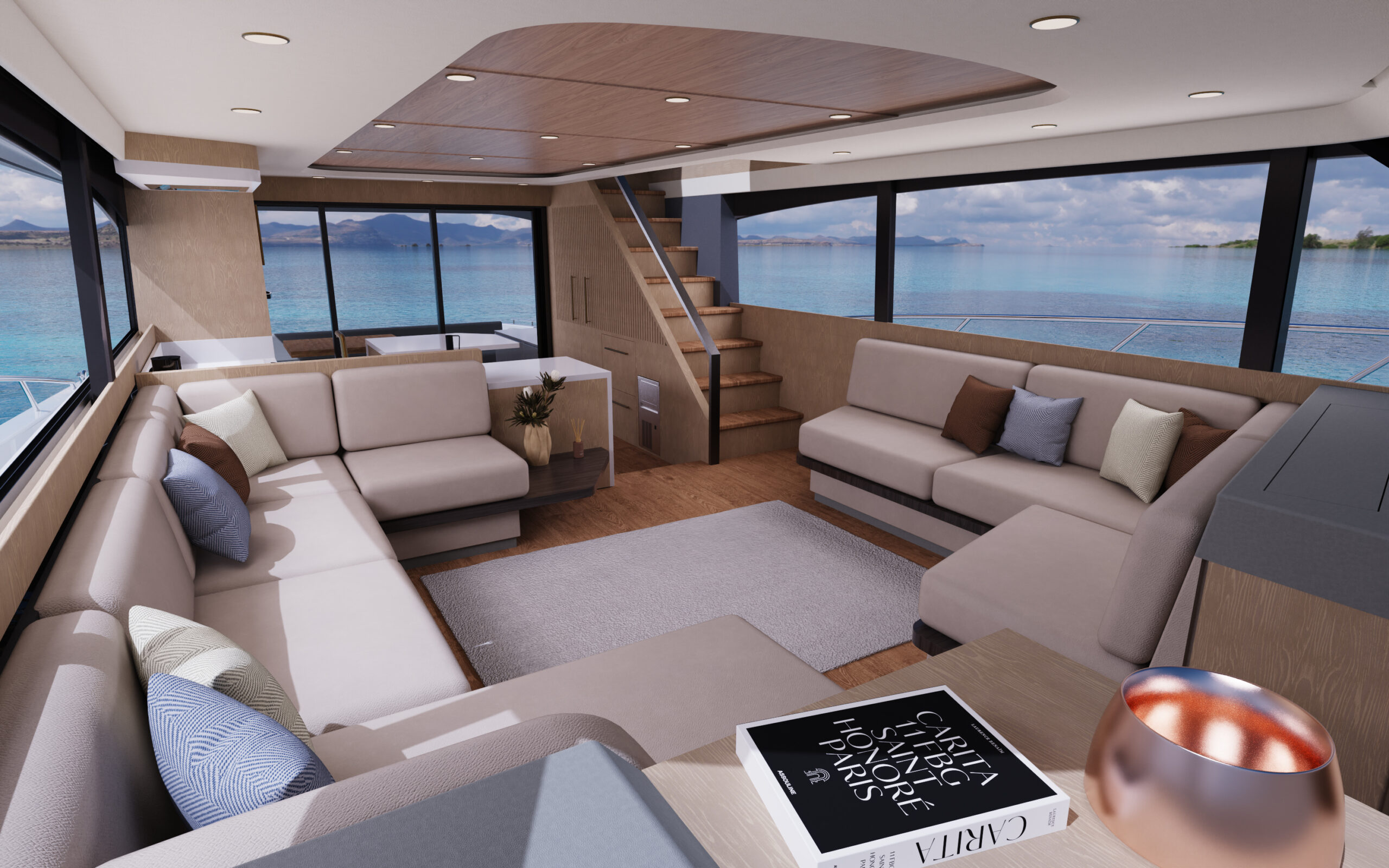
Using CAD-Accurate Visualisation for Marine Design Approval
Marine design decisions often involve multiple stakeholders: designers, engineers, directors, production teams, sales teams, and sometimes owners or dealers. Each group may view the project from a different perspective. CAD-accurate visualisation helps bring these conversations into one clear visual format.
Unlike loose concept imagery, CAD-based visualisation is built around real design data. This means the render can reflect actual proportions, surfaces, window lines, seating layouts, helm positions, hardtop structures, furniture, materials, and spatial relationships. When the underlying model is accurate, the image becomes more than marketing material. It becomes a communication tool.
This is particularly useful during design approval. A technical drawing or grey CAD model may show the information, but it does not always communicate the experience of the finished product. A photorealistic render allows stakeholders to assess form, balance, visibility, material contrast, colour direction, and customer appeal in a more intuitive way.
For boat builders, this can reduce uncertainty before committing to tooling, production details, interior finishes, or marketing direction. It can also highlight design issues earlier, when changes are easier and less expensive to make.
CAD-accurate visualisation can be used for exterior reviews, interior layouts, helm development, furniture design, colour and trim studies, lighting direction, and customer presentation packages. It helps transform technical design information into a clear visual language that everyone can understand.
At Frankie Sterling Studio, our visualisation process combines design understanding with high-end rendering, helping marine teams make clearer decisions before production moves too far forward.